Whole Milk for Coffee: Benefits, Nutrition & Some Tips

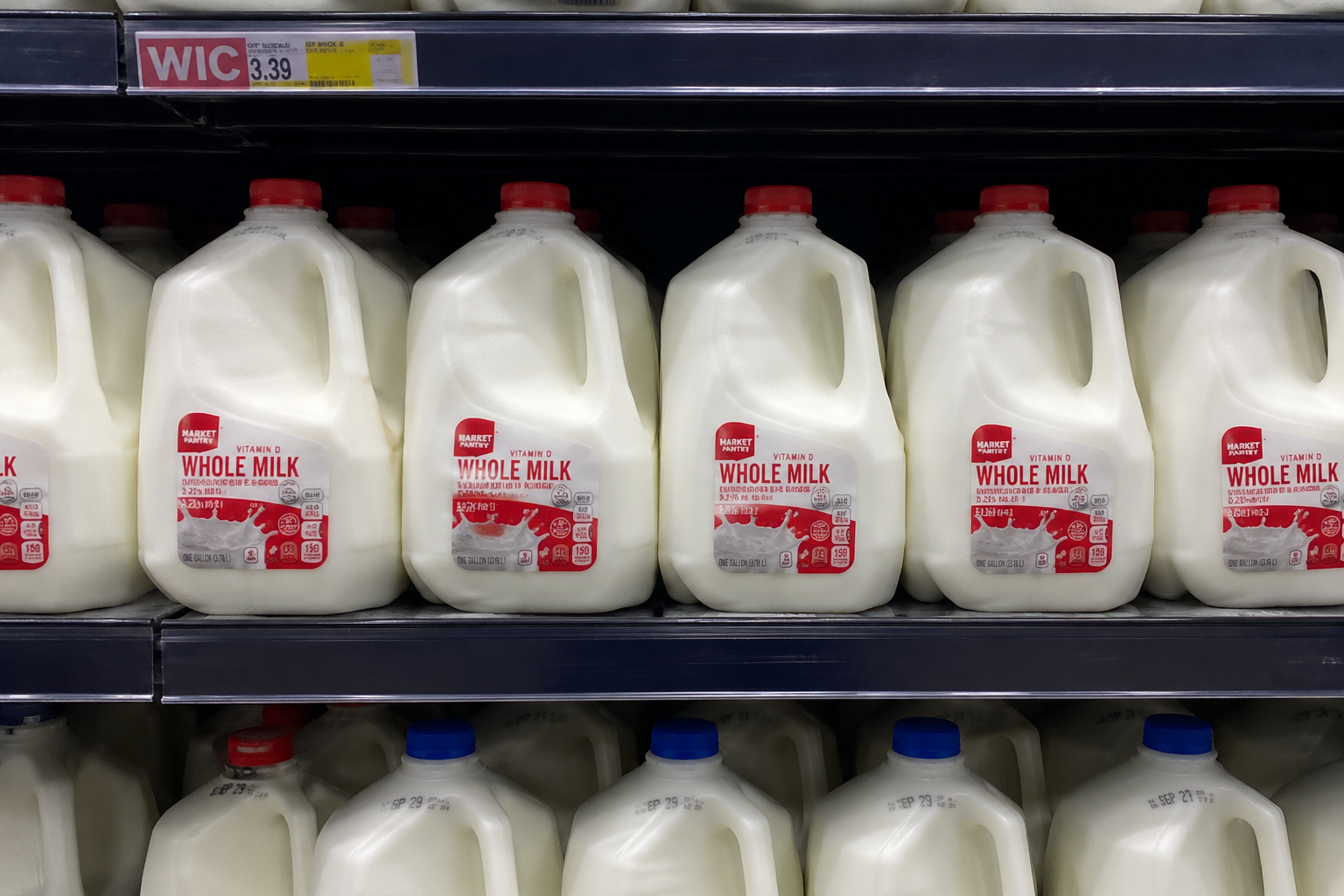
Whole milk for coffee is one of the most popular choices for coffee, and for good reason. Its creamy texture, natural sweetness, and higher fat content can make coffee taste smoother and richer. It works especially well in lattes, cappuccinos, mochas, iced coffee, and other milk-based drinks.
But is whole milk the best milk for coffee? How does it compare with 2% or skim milk?
In this guide, we’ll look at whether whole milk is good for coffee, covering its taste, nutrition, some tips and the best coffee drinks to use it in.
What Is Whole Milk?
Whole milk is milk that hasn’t had any of its natural fat taken out. In the U.S., it has to contain at least 3.25% fat. Interestingly, milk straight from the cow usually has even more fat than that somewhere between 3.5% and 4.5%, depending on the cow’s breed and diet so a little is removed to bring it down to the standard 3.25%.
It’s called “whole” milk because it keeps all of its natural fat, unlike 2% (reduced-fat), 1% (low-fat), or skim (fat-free) milk, which have had some or most of that fat taken out.
The Journey of Whole Milk: From Farm to Fridge
Here’s how it’s made
First, milk is collected from cows and quickly cooled down to stop bacteria from growing. Then it’s filtered to remove any dirt or debris.
Next, a machine spins the milk fast to separate it into cream and skim milk these are mixed back together in just the right amounts to get that 3.25% fat level.
After that, the milk is heated briefly to kill any harmful bacteria (this is called pasteurization), then pushed through tiny nozzles to break up the fat so it doesn’t separate and float to the top (this is called homogenization).
Many brands also add vitamin D at this point. Finally, the milk is packaged Finally, the milk is packaged and kept cold all the way until it reaches the store arriving at shops as fresh milk for coffee that’s ready to use straight from the fridge.
Is Whole Milk Good for Coffee?
Yes, whole milk in coffee is an excellent choice.
It can add body and creaminess without completely covering the flavor of the coffee. Its mild natural sweetness can also balance some of the bitterness or acidity in a strong cup.
Nutritional Value of Whole Milk
One cup (240ml) of whole milk gives you a good mix of nutrients.
It has about 149 calories, 8 grams of protein, 8 grams of fat, and 12 grams of carbs (mostly from natural milk sugar called lactose). It’s also a good source of calcium, which keeps your bones and teeth strong.
Most whole milk also has added vitamin D, which helps your body absorb that calcium properly.
On top of that, it naturally contains vitamin B12 (good for your blood and nerves), vitamin A (good for your eyes and skin), and potassium (helps control blood pressure). In short, whole milk isn’t just about taste it also gives your body several important nutrients in one simple drink.
Why Whole Milk Is the Barista Default for Coffee
Whole milk is a popular choice among baristas because it gives coffee a rich, creamy texture without overpowering the coffee flavor. Its combination of fat and protein helps create smooth, silky foam that is easy to steam and pour.
It also works well in many coffee drinks, including lattes, cappuccinos, flat whites, and mochas. The natural sweetness of whole milk can soften the bitterness of coffee and make the drink taste more balanced.
Whole Milk vs. 2% Milk vs. Skim milk for Coffee
Primary Source
All three types of milk come from the exact same source cow’s milk. The only real difference between them is how much natural fat has been removed during processing. Whole milk keeps almost all its natural fat, while 2% and skim milk have progressively more fat taken out.
Fat Content
Whole milk contains around 3.25% fat, making it the richest of the three. 2% milk, as the name suggests, has been reduced to 2% fat noticeably less than whole milk but still enough to feel creamy. This makes 2% a solid example of low fat milk for coffee if you want some richness without the full fat content. Skim milk has almost all the fat removed, leaving it with close to 0% fat, which is why it’s also called fat-free milk and why some people specifically search for skimmed milk for coffee when trying to cut back on fat.
Taste
Whole milk has a rich, full flavor because the fat carries a lot of the taste. 2% milk tastes slightly lighter but still creamy enough that many people don’t notice a big difference from whole milk. Skim milk, on the other hand, tastes much thinner and more watery, since most of the fat and the flavor that comes with it has been stripped away.
Creaminess
Whole milk is by far the creamiest option, thanks to its higher fat content. 2% milk still has a decent amount of creaminess, just a bit less noticeable. Skim milk has almost no creaminess at all, since fat is what creates that smooth, creamy sensation in the first place.
Richness
Whole milk feels the most rich and satisfying to drink, almost like a small treat on its own. 2% milk sits right in the middle not as heavy as whole milk, but not as light as skim either. Skim milk feels the least rich and can even taste a little empty to people used to drinking whole milk.
Texture
Whole milk has a thick, smooth texture that coats your mouth pleasantly. 2% milk is a little thinner than whole milk, though still smooth enough to feel pleasant. Skim milk is quite thin and watery, closer to the texture of water with a slight milky taste.
Frothing
Whole milk froths beautifully, creating thick, stable foam that holds its shape well which is exactly why it’s the go-to choice for latte art and cappuccinos. 2% milk also froths nicely, producing good foam, just slightly less rich and dense than whole milk’s. Skim milk actually produces a lot of foam, often more in volume than whole milk, but the foam is airy and full of larger bubbles, so it collapses faster and doesn’t have that same creamy quality.
Best For
Whole milk is best for anyone who wants a rich, creamy coffee experience, especially in lattes and cappuccinos. 2% milk is a great choice for someone who wants a lighter optionwithout giving up too much creaminess. Skim milk works well for people who are watching their calorie or fat intake, or for those who specifically enjoy that big, fluffy foam texture even if it’s less rich.
Who Should Avoid Whole Milk
Whole milk isn’t the best choice for everyone. People who are lactose intolerant may have trouble digesting it, since it contains lactose (milk sugar), which can cause bloating, gas, or stomach discomfort.
People with a dairy allergy should avoid it completely, as their body reacts to the proteins in milk, which can cause more serious reactions.
Whole milk is also higher in fat and calories compared to other milk options, so people watching their weight or cholesterol levels might prefer a lower-fat option like 2% or skim milk instead.
Lastly, people following a vegan diet or those who choose to avoid animal products for personal or ethical reasons would naturally skip whole milk and go for plant-based alternatives instead.
How to Steam Whole Milk at Home
You don’t need fancy equipment to froth whole milk at home. If you have a milk frother (handheld or electric), just pour cold whole milk into a cup, place the frother in, and turn it on for about 20–30 seconds until you see thick foam form.
If you don’t have a frother, you can heat the milk gently on the stove (don’t let it boil), then pour it into a jar with a lid, shake it hard for 30–60 seconds, and the milk will turn foamy.
Another simple method is using a French press pour warm milk into it and pump the plunger up and down quickly for about 30 seconds. Whole milk froths especially well because its fat and protein work together to trap air and hold the foam’s shape, giving you that creamy, café-style foam at home.
Best Tips to Use Whole Milk in Your Coffee
1. Use Cold Milk Before Steaming
Always start with cold milk straight from the fridge. Cold milk froths better because it gives you more time to build good foam before it gets too hot. If the milk is already warm, it won’t foam as nicely.
2. Don’t Overheat the Milk
Heat whole milk to around 150–160°F (65–70°C), just hot enough to feel warm and slightly steamy, but not boiling. If you overheat it, the milk can taste burnt and lose its natural sweetness.
3. Froth in Small Batches
If you’re using a frother or steaming wand, froth small amounts at a time rather than a large batch. This gives you more control and helps create smoother, more even foam instead of big, uneven bubbles.
4. Pour Slowly for Better Texture
When adding steamed or frothed whole milk to your coffee, pour it slowly and from a slight height at first, then bring the pitcher closer as you finish pouring. This helps you control how much foam sits on top and gives you a smoother-looking drink.
5. Match Milk Ratio to Your Drink
Different coffee drinks need different amounts of milk:
- Latte — lots of steamed milk with a thin layer of foam
- Cappuccino — equal parts espresso, steamed milk, and thick foam
- Flat White — less foam, more steamed milk for a silkier texture
Adjusting your milk-to-coffee ratio based on the drink you’re making makes a big difference in taste and texture.
6. Let It Rest for a Few Seconds
After frothing, let the milk sit for about 10 to 15 seconds before pouring. This allows any large bubbles to settle, giving you a smoother, creamier foam instead of a bubbly, uneven one.
7. Warm the Cup First
If you’re making a hot coffee drink, warm your cup with hot water for a few seconds before adding your coffee and milk. This helps keep the drink hot for longer and prevents the milk from cooling down your coffee too quickly.
8. Store Milk Properly
Keep whole milk refrigerated and use it before its expiration date. Fresh milk froths and tastes better milk that’s close to going bad won’t foam as well and can even curdle when mixed with hot coffee.
9. Experiment with Flavor Additions
Whole milk pairs well with vanilla, caramel, or chocolate syrups since its richness balances out sweetness nicely. Adding a small amount of syrup to the milk before frothing can also help distribute the flavor more evenly throughout your drink.
10. Use Fresh, Whole Milk (Not Ultra-Pasteurized, If Possible)
Regular pasteurized whole milk tends to froth a little better than ultra-pasteurized (UHT) milk, since UHT milk goes through more intense heat processing that can slightly affect its protein structure. If you have the option, regular pasteurized whole milk usually gives better foam results.
Best Coffee Drinks to Make With Whole Milk
Whole milk is extremely versatile, so you can use it in many different coffee drinks making it one of the top picks when comparing different types of milk for coffee.
Whole Milk Latte
A latte is one of the best ways to enjoy whole milk, and it’s consistently ranked among the best milk for latte options. Espresso combined with steamed whole milk creates a smooth, creamy drink with a balanced coffee flavor a strong answer if you’re looking for the best milk for coffee latte specifically.
Cappuccino
Whole milk works well in cappuccino because it produces creamy foam. The stronger espresso flavor also pairs nicely with the richness of the milk.
Flat White
A flat white uses espresso and steamed milk with a thin layer of microfoam. Whole milk can give the drink a particularly smooth texture.
Iced Mocha
Whole milk and chocolate are a natural combination. Add chocolate syrup or cocoa to espresso and whole milk for a rich mocha.
Read our Iced white chocolate mocha recipe
Iced Latte
Whole milk is also excellent in cold drinks. Add chilled whole milk to espresso or strong coffee, then pour it over ice for a creamy iced latte.
Caramel Latte
Whole milk works beautifully with caramel syrup. The creamy milk balances the sweetness of the caramel and the stronger taste of espresso.
Read our instant iced coffee caramel latte recipe
Vanilla Latte
For a simple flavored coffee, combine espresso, whole milk, and vanilla syrup. The natural creaminess of whole milk makes the drink smooth and comforting.
Final Verdict
Whole milk for coffee is a great choice if you want a rich, creamy, and smooth drink. Its fat, protein, and natural lactose give coffee a fuller texture and mild sweetness, while its ability to foam makes it especially useful for espresso-based drinks.
Use it in a classic latte, frothy cappuccino, chocolatey mocha, or refreshing iced coffee. If you prefer something lighter, 2% or skim milk may be a better fit. And if you avoid dairy, oat milk and other plant-based alternatives offer different flavors and textures.
Ultimately, the best milk for coffee comes down to your preferred taste, texture, and dietary needs. Start with a small amount, experiment with different coffee styles, and adjust the milk until you find your perfect cup.
Read more
Instant Nutella Iced Coffee Recipe
Whipped honey instant iced coffee
Top 10 Coffee Syrups with Brands for Iced Latte
Frequently Asked Questions
Is whole milk good for coffee?
Yes. Whole milk adds creaminess, richness, and mild natural sweetness to coffee. It is particularly popular in lattes, cappuccinos, mochas, and iced coffee.
Does whole milk make coffee taste better?
It depends on your preference. Whole milk can make strong or bitter coffee taste smoother and creamier, but some people prefer the cleaner taste of black coffee or lighter milk.
Is whole milk better than 2% milk for coffee?
Neither is universally better. Whole milk provides more richness and creaminess, while 2% milk creates a lighter drink.
Can I use whole milk in iced coffee?
Yes. Cold whole milk works very well in iced coffee and iced lattes. It adds body and helps soften the stronger flavor of coffee.
Does whole milk froth well?
Yes. Whole milk is a popular choice for steaming and frothing because it can produce smooth, creamy foam when prepared correctly.
How much whole milk should I put in coffee?
For regular coffee, start with a small splash or a few tablespoons. For iced coffee and lattes, you can use considerably more depending on how creamy you want the drink.